
Austin U Visa Lawyer
Protection, Stability, and a Path Forward.


— 5.0 Google Reviews

What Our Clients Say
Our clients share their stories and experiences working with us. Explore their testimonials to learn how we prioritize their legal success.


What Can an Austin U Visa Lawyer Do for You?
If you were the victim of a qualifying crime in the United States and suffered substantial physical or mental harm, a U visa may provide a way to remain legally in the country. Eligibility generally also requires that you have information about the crime and have been, are being, or are likely to be helpful to law enforcement or other qualifying authorities.
Michael G. Murray, P.A. helps crime victims in Austin and across the United States navigate the U visa process. With more than 20 years of immigration law experience, the firm can assess whether you may qualify, help you obtain the required documentation, prepare your application, and address immigration issues that could affect your case.
Applying for a U visa can involve several steps, including obtaining certification from a qualifying agency and providing evidence of the harm you suffered and your cooperation. Attorney Michael Murray and his team can help you understand what is required and guide you through each stage of the process. Spanish-speaking staff are also available for clients who prefer to communicate in Spanish.
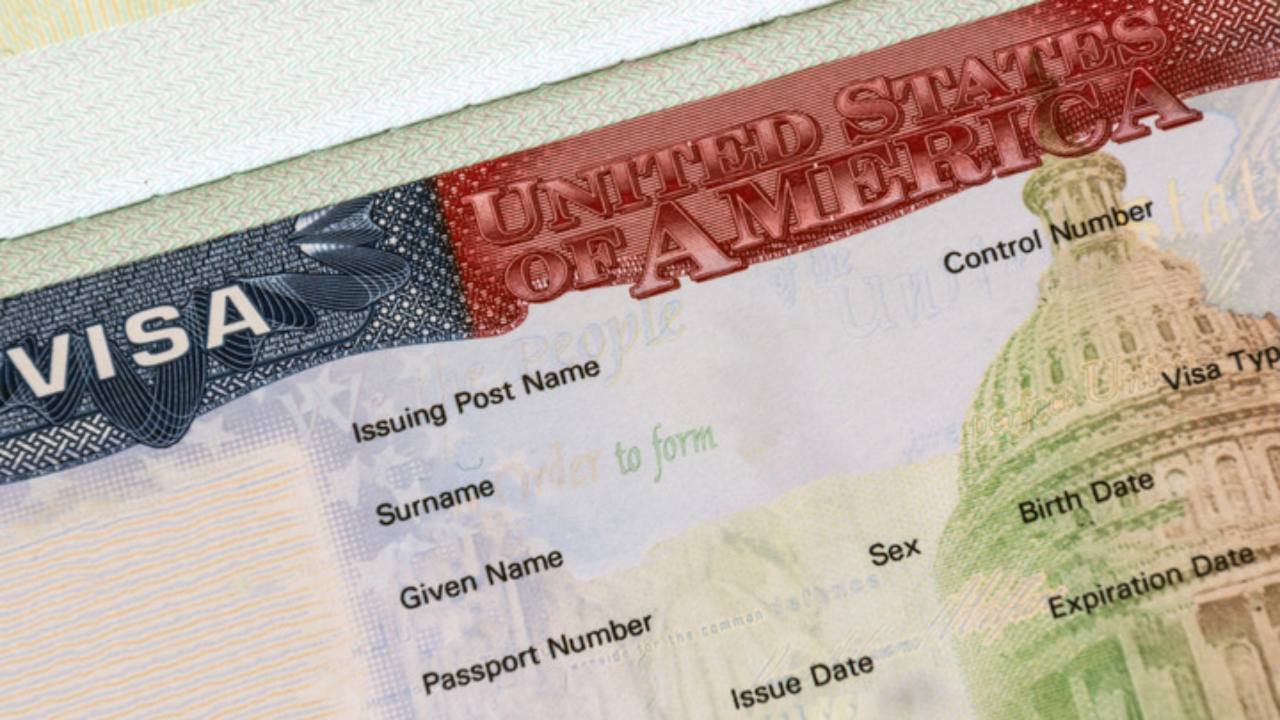
What Is a U Visa?
A U visa is a form of temporary immigration protection for certain victims of qualifying crimes who have suffered substantial physical or mental abuse and have assisted, are assisting, or are likely to assist law enforcement or other qualifying authorities. It allows eligible victims to remain legally in the United States while providing important protections and immigration benefits.
U nonimmigrant status is available only in connection with certain qualifying criminal activities. These can include domestic violence, sexual assault, human trafficking, kidnapping, stalking, extortion, felonious assault, and other crimes recognized under federal immigration law.
To qualify for a U visa, an applicant generally must show that they:
- Were the victim of qualifying criminal activity
- Suffered substantial physical or mental abuse because of the crime
- Have information about the criminal activity
- Have been, are being, or are likely to be helpful to law enforcement, prosecutors, judges, or another qualifying authority
- Experienced criminal activity that violated U.S. law or occurred in the United States or its territories
- Are admissible to the United States or qualify for a waiver of applicable grounds of inadmissibility
A U visa application generally also requires certification from an authorized law enforcement agency or other qualifying official confirming the applicant’s helpfulness.
If approved, U nonimmigrant status generally allows a person to remain in the United States for up to four years and provides employment authorization. Certain qualifying family members may also be eligible for derivative U status.
A U visa can also provide a potential path to permanent residence. U visa holders who meet the applicable requirements may later be eligible to apply for a green card.
How Michael G. Murray, P.A. Can Help With Your U Visa
Every U visa case depends on its individual facts. Michael G. Murray, P.A. can review your circumstances, identify issues that may affect your application, and guide you through the requirements of the U visa process. The firm can:
- Assess your eligibility: Review the crime, the harm you experienced, your interaction with law enforcement, and other circumstances that may affect your eligibility.
- Address the certification requirement: Help identify the appropriate certifying agency and assist with requesting the required U visa certification.
- Gather supporting evidence: Identify records and other documentation that may help establish the qualifying criminal activity, the harm you suffered, and other elements of your case.
- Prepare your U visa application: Complete and organize the required forms, personal statement, certification, and supporting documentation.
- Address immigration complications: Review inadmissibility or immigration issues that may need to be addressed through a waiver or as part of the application.
- Respond to USCIS: Help address Requests for Evidence and other USCIS notices while your application is pending.
- Review options for qualifying family members: Determine whether certain family members may be eligible for derivative U nonimmigrant status.
Depending on your circumstances, other immigration protections may also be available. Michael G. Murray, P.A. can review your situation as a whole and explain the immigration options that may apply.

Why Choose Michael G. Murray, P.A. for Your U Visa Case?
Choosing a lawyer for a U visa case means sharing sensitive information about the crime you experienced, your immigration history, and your interactions with law enforcement. Michael G. Murray, P.A. combines decades of immigration law experience with a focused approach to helping clients navigate complex immigration matters.
More Than 20 Years of Immigration Law Experience
Michael Murray has practiced immigration law for more than two decades. His experience includes handling matters involving USCIS procedures, immigration status, admissibility concerns, waivers, and other issues that can affect an immigration case.
That experience can be particularly valuable when a U visa application involves a complicated immigration or personal history.
Former Criminal Public Defender Experience
Before focusing on immigration law, Michael Murray spent two years as a criminal public defender. U visa cases sit at the intersection of immigration law and the criminal justice system, making that background particularly relevant.
His experience provides an additional perspective when reviewing police involvement, criminal records, or other law enforcement issues that may affect a U visa application.
A Practice Focused on Immigration Law
Immigration law is the focus of Michael G. Murray, P.A. The firm regularly handles immigration matters rather than treating immigration as one part of a broader general practice.
This gives our clients access to a team familiar with USCIS procedures and related matters, including immigration waivers that may become relevant in a U visa case.
Spanish-Speaking Staff
Clients who are more comfortable communicating in Spanish can work with Spanish-speaking members of the firm’s staff. This can make it easier to discuss sensitive circumstances, ask questions, and understand what is happening throughout the case.
Based in Austin and Serving Clients Nationwide
Michael G. Murray, P.A. has a physical office in Austin, Texas, where local clients can meet with the firm in person. Because U visas are governed by federal immigration law, the firm can also represent clients throughout the United States.
The U Visa Process: What to Expect Step by Step
Every U visa case is different, but the process generally involves establishing your eligibility, obtaining the required certification, gathering supporting evidence, and submitting your application to USCIS.
Step 1: Review Your Eligibility
The process begins with a review of the circumstances surrounding the crime, the harm you suffered, and your involvement with law enforcement. Your attorney can also review your immigration history and identify issues that may affect your eligibility before an application is prepared.
Step 2: Obtain Law Enforcement Certification
A U visa application generally requires Form I-918, Supplement B, completed by an authorized official from a qualifying agency. The certification confirms that you were a victim of qualifying criminal activity and that you have been, are being, or are likely to be helpful in the investigation or prosecution of that activity.
Your attorney can help identify the appropriate certifying agency and assist with requesting the certification.

Step 3: Gather Evidence and Prepare Your Application
Your application must include evidence supporting your eligibility. Depending on the circumstances, this may include police or court records, evidence of the harm you suffered, your personal statement, and other supporting documentation.
Your attorney can help organize the evidence, prepare the required immigration forms, and address any admissibility or immigration issues that may affect the application.
Step 4: File Your Application With USCIS
Once the application is complete, it is submitted to U.S. Citizenship and Immigration Services (USCIS).
The number of principal U visas available each fiscal year is limited by law, and demand has historically exceeded that annual cap. As a result, applicants may face a significant wait before U nonimmigrant status becomes available.
While an application is pending, USCIS may review it through the bona fide determination process or place an eligible applicant on the U visa waiting list. Depending on the circumstances, this can provide deferred action and an opportunity to receive employment authorization while waiting for final adjudication.
Step 5: Respond to USCIS and Wait for a Decision
USCIS may request additional evidence or information while reviewing the application. If you receive a Request for Evidence or another notice, your attorney can help determine what USCIS is requesting and prepare a response within the applicable deadline.
Because of the annual U visa cap and existing demand, receiving final U nonimmigrant status can take considerable time.
Step 6: Approval and Future Immigration Options
If a U visa becomes available and USCIS approves the application, the applicant generally receives U nonimmigrant status for up to four years. Qualifying U nonimmigrants are also eligible for employment authorization.
U nonimmigrant status can provide a potential path to permanent residence. After maintaining the required period of continuous physical presence in U status and satisfying the other applicable requirements, a U visa holder may be eligible to apply for a green card.
Certain qualifying family members may also be eligible for derivative U status, depending on the principal applicant’s age, relationship to the family member, and other requirements.
Talk to an Austin U Visa Lawyer About Your Case
If you were the victim of qualifying criminal activity and assisted law enforcement, a U visa may provide an immigration option. Whether you qualify depends on the circumstances of the crime, the harm you suffered, your helpfulness to authorities, and other immigration requirements.
Michael G. Murray, P.A. helps clients in Austin and throughout the United States understand their U visa options and navigate the application process. Spanish-speaking staff are available, and clients can meet with the firm at its Austin office or discuss available options for remote assistance.
Contact Michael G. Murray, P.A. to schedule a consultation and discuss whether a U visa may be available in your circumstances.

Frequently Asked Questions
1. Can I Apply for a U Visa If My Criminal Case Never Went to Trial?
Yes. A criminal case does not have to result in a trial or conviction for you to qualify for a U visa. What matters is whether you meet the U visa requirements, including being helpful, having been helpful, or being likely to be helpful to law enforcement or another qualifying authority in the investigation or prosecution of qualifying criminal activity.
2. What If the Person Who Committed the Crime Was Never Arrested?
An arrest is not required for U visa eligibility. You may still qualify if the person responsible was never identified, arrested, prosecuted, or convicted. USCIS considers whether you meet the U visa requirements rather than whether the criminal case resulted in a particular outcome.
3. How Long Does It Take to Get U Visa Certification?
There is no single timeline because certification requests are handled by individual law enforcement agencies and other authorized certifying bodies. Their procedures and processing times can differ. An attorney can help identify the appropriate agency, prepare the certification request, and follow up on its status.
4. Can I Apply for a U Visa If I Am Undocumented?
Potentially. Being undocumented does not automatically prevent you from qualifying for a U visa. However, unlawful entry, prior removals, or other immigration issues may create grounds of inadmissibility that need to be addressed. Depending on your circumstances, a waiver may be available.
5. Can My Spouse or Children Get U Visas Through My Case?
Certain qualifying family members may be eligible for derivative U nonimmigrant status. Which relatives can qualify depends in part on your age when you apply. An attorney can review your family relationships and determine whether your spouse, children, parents, or unmarried siblings may qualify under the applicable requirements.